Tam Coc – Bich Dong, Hoa Lư
Given that the cycletour part of our trip is over, and given that there are many sites nearby that interested us, we signed up for a guided bus tour for the day. It was nice not have to do any of the logistics – where do we go next, how much time do we spend where, who do you buy the tickets from, and the legwork of arranging transportation from one site to the next.
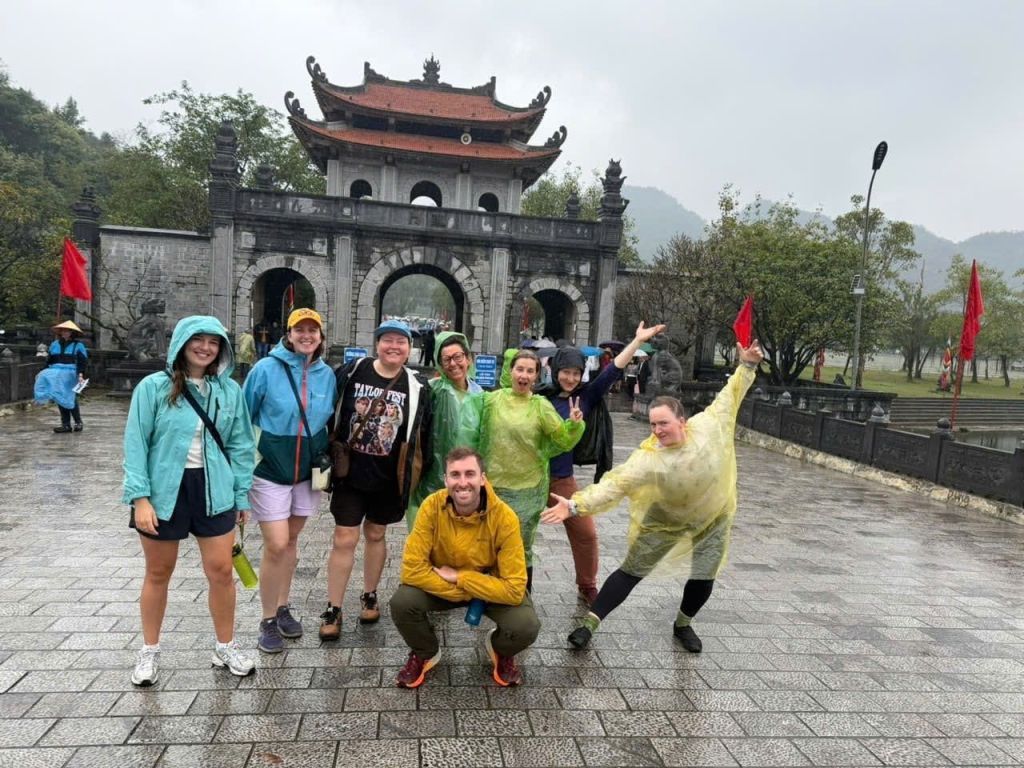
Nam, our guide for the day, certainly took “legwork” to heart. When we weren’t on the bus, we nearly ran through the sites, following Nam’s raised fist in front of us – in my head, I was calling him SuperNam.
We learned some interesting things about Vietnam history and culture. Of the current population of 106 million, Nam described 14% as being “hill tribes people” and 86% as “veit people”. Most of the population is Buddhist, but it’s a different variety of Buddhism (Mahāyāna) than Laotian or Thai Buddhism (Theravāda), though of course a lot of the same principles apply. Vietnamese monks do not receive alms, and they are expected to work for their food. Like Laotian monks, they are not allowed alcohol, sex or murder, but Vietnamese monks are also not permitted to consume coffee, tea, or meat.
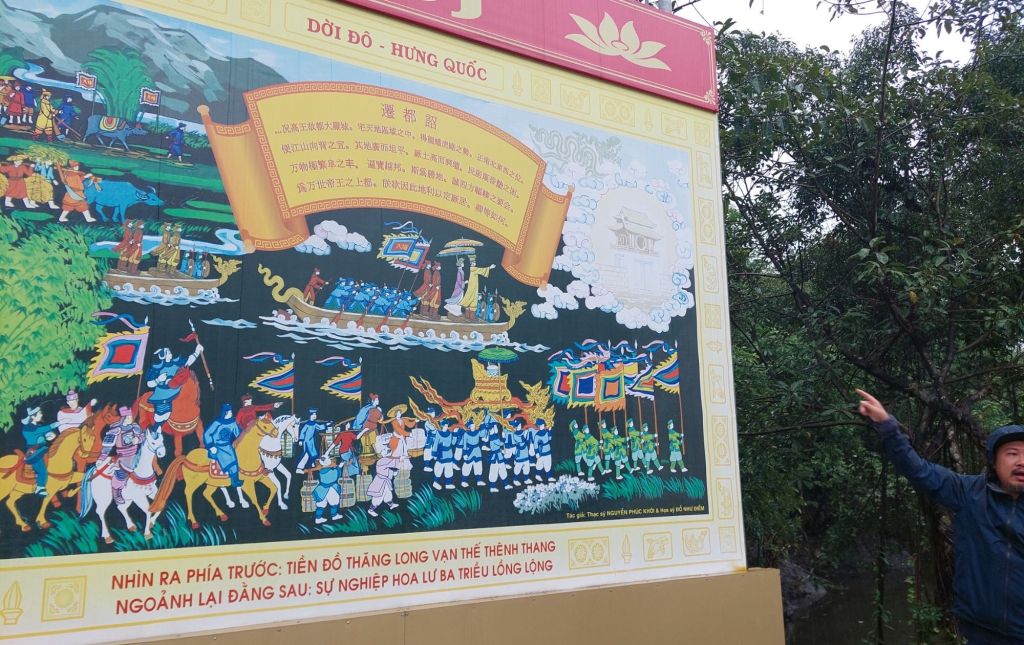
Some highlights include a queen who maybe poisoned her husband in order to remarry an army general who then became the next king; and the seemingly perpetual struggle against Chinese rulers who have believed and perhaps still believe that Vietnam should be part of China.
Nam also informed us that christianity first arrived in the country not with the French, but earlier, with Catholic Portuguese missionaries. The latin alphabet arrived with the Portuguese, too – before that, written language here used a combination of Chinese characters and original Vietnamese characters. Given the long occupation by the French, the letters stuck. Vietnam is the only country in SE Asia that uses the latin alphabet.
Currently, the Vietnamese economy is booming. After the war with USA, recovery was a struggle, but since the communist party instituted economic reforms in the 80’s it has been full steam ahead: privately owned businesses are flourishing as well as state-owned operations. We have seen many V. Electric cars from VinFast, which is the largest privately owned Vietnamese company. A couple of years ago, education up to and including secondary school became free for all students, and the current literacy rate is 90%.
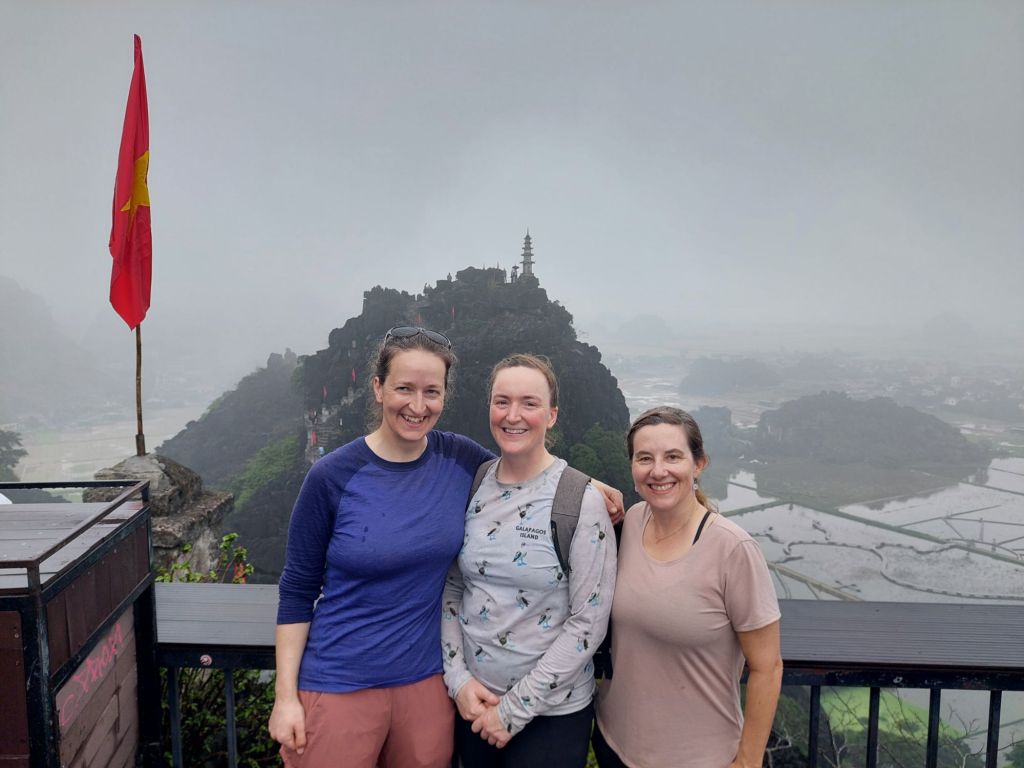
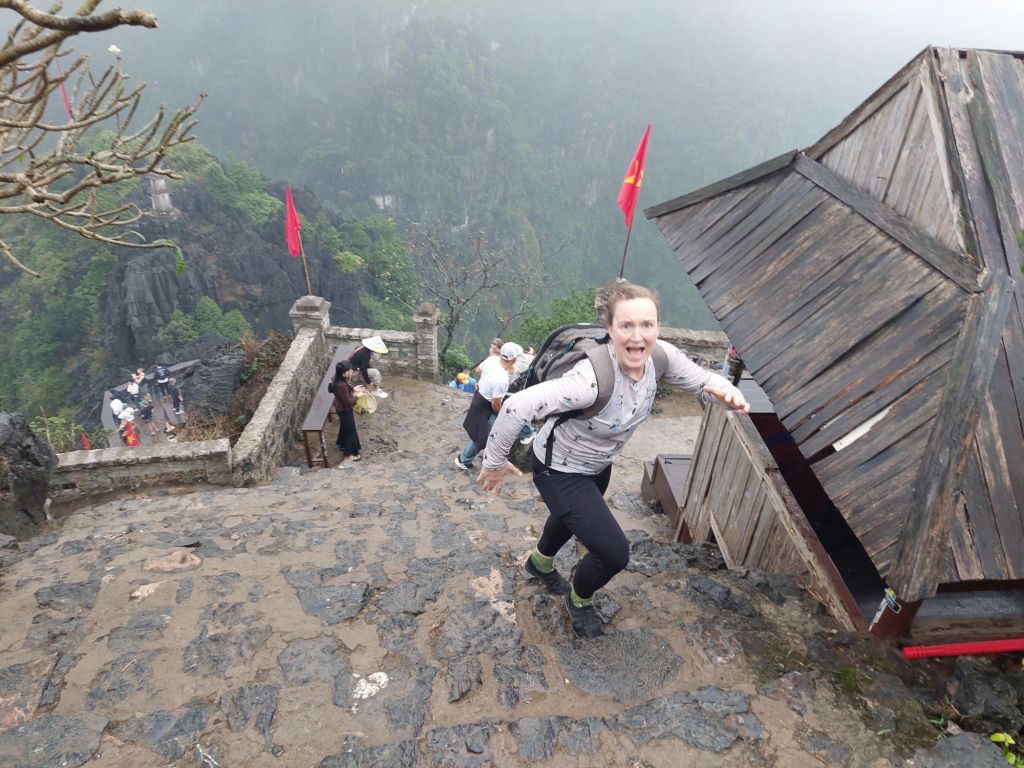
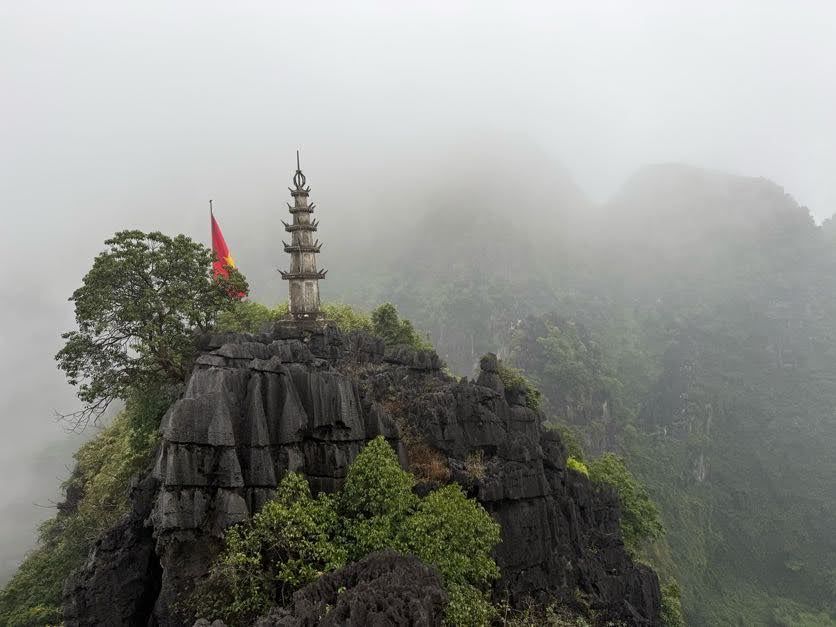
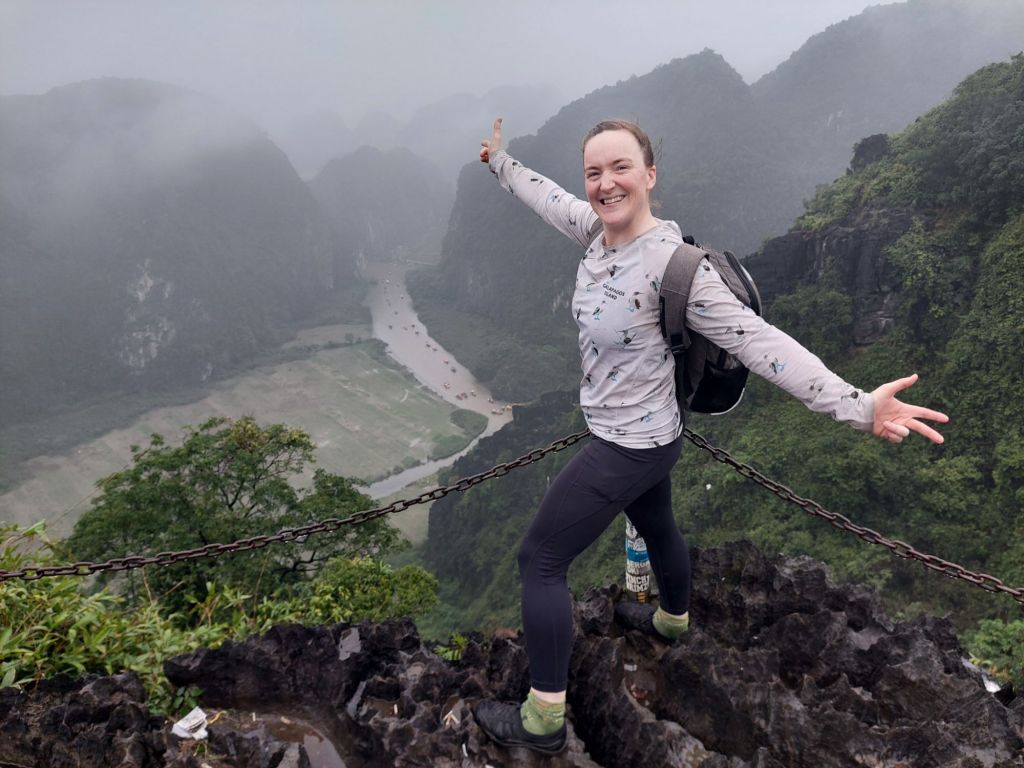
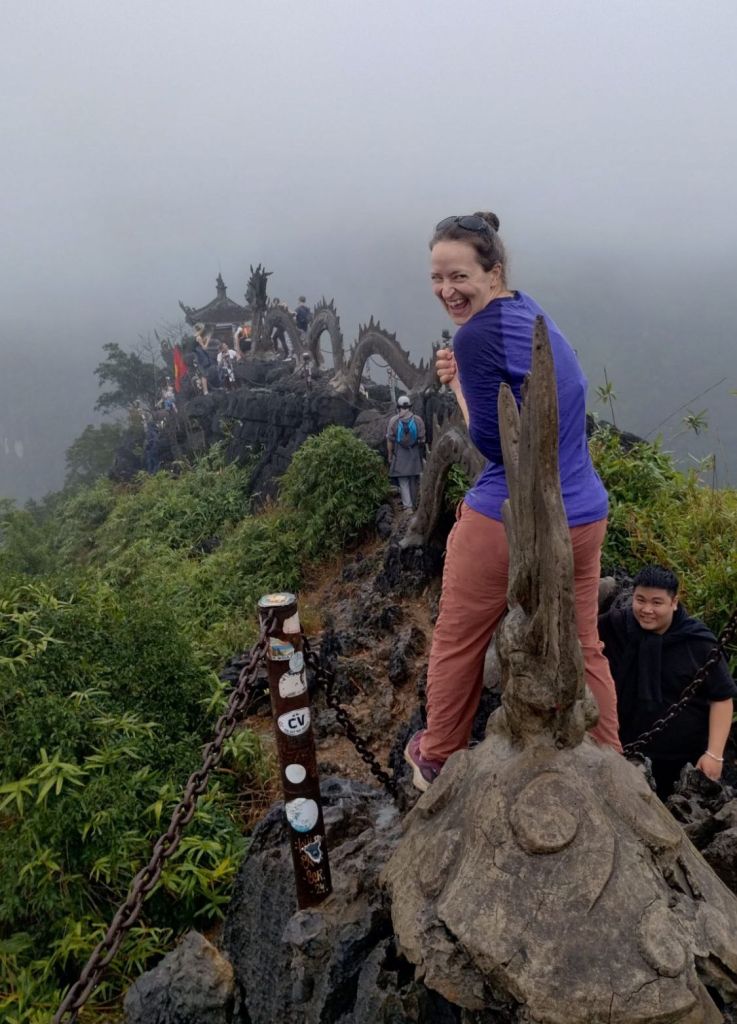
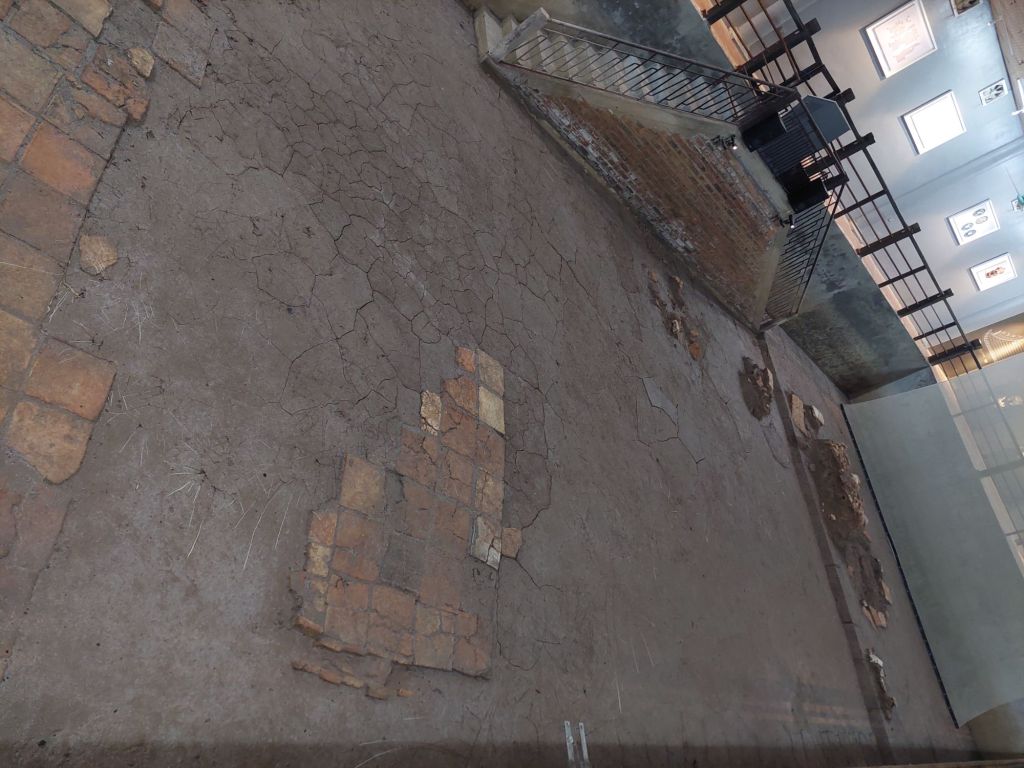
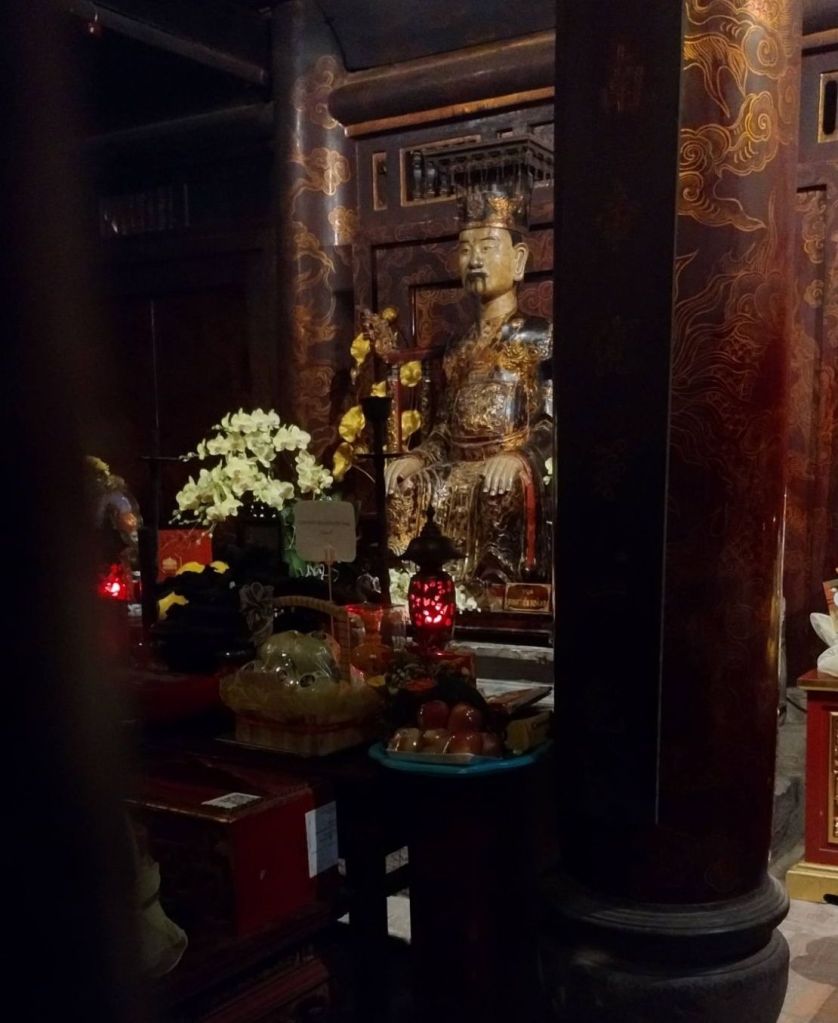
We learned a surprising fact in Hoa Lư: Temples honour humans. Worthy kings and people who did good deeds for their communities.
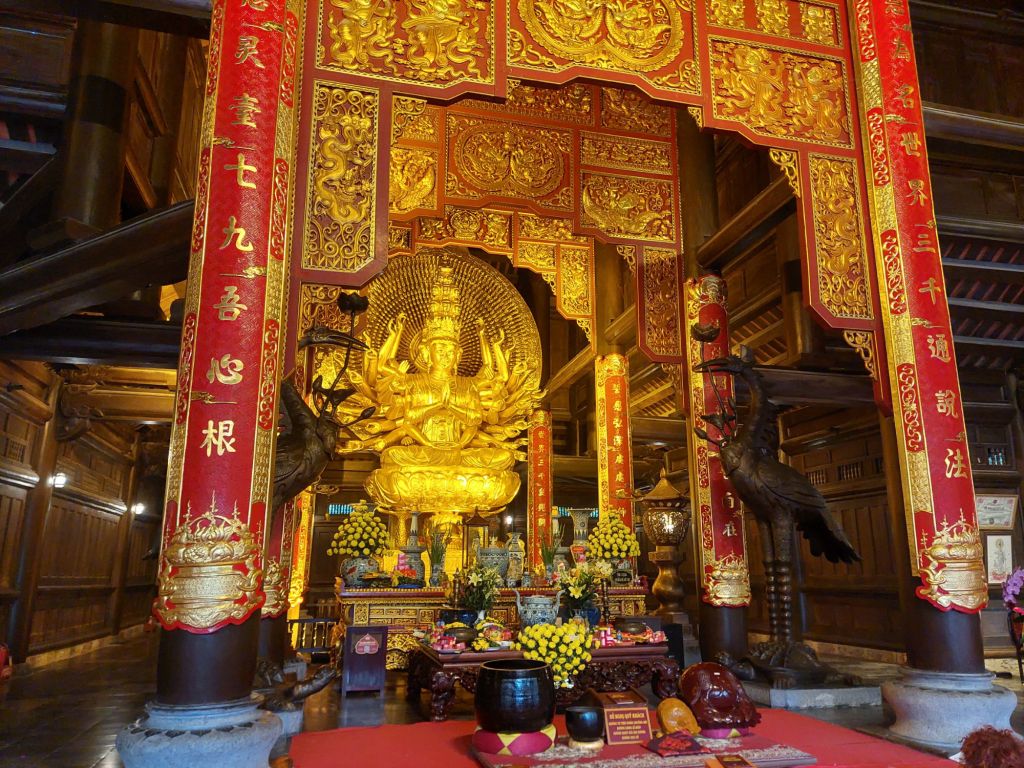
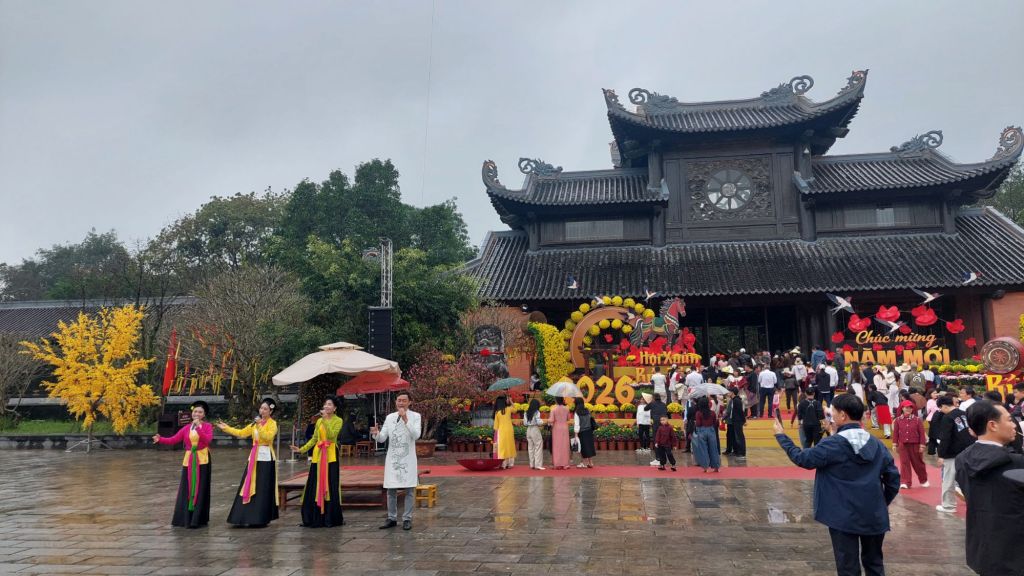
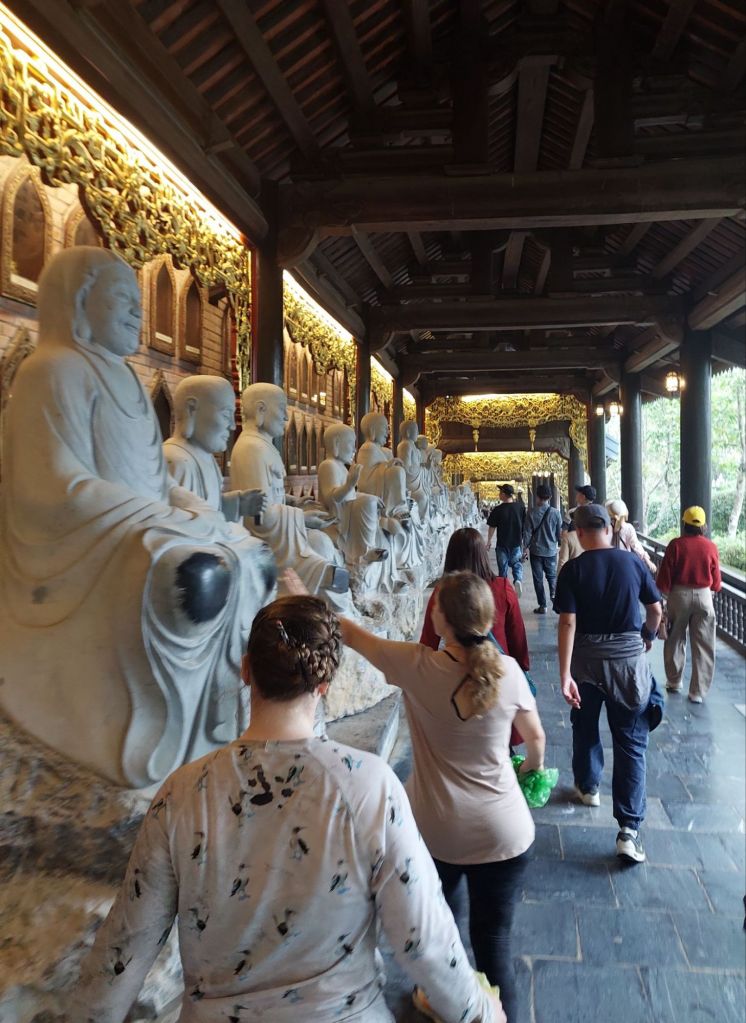
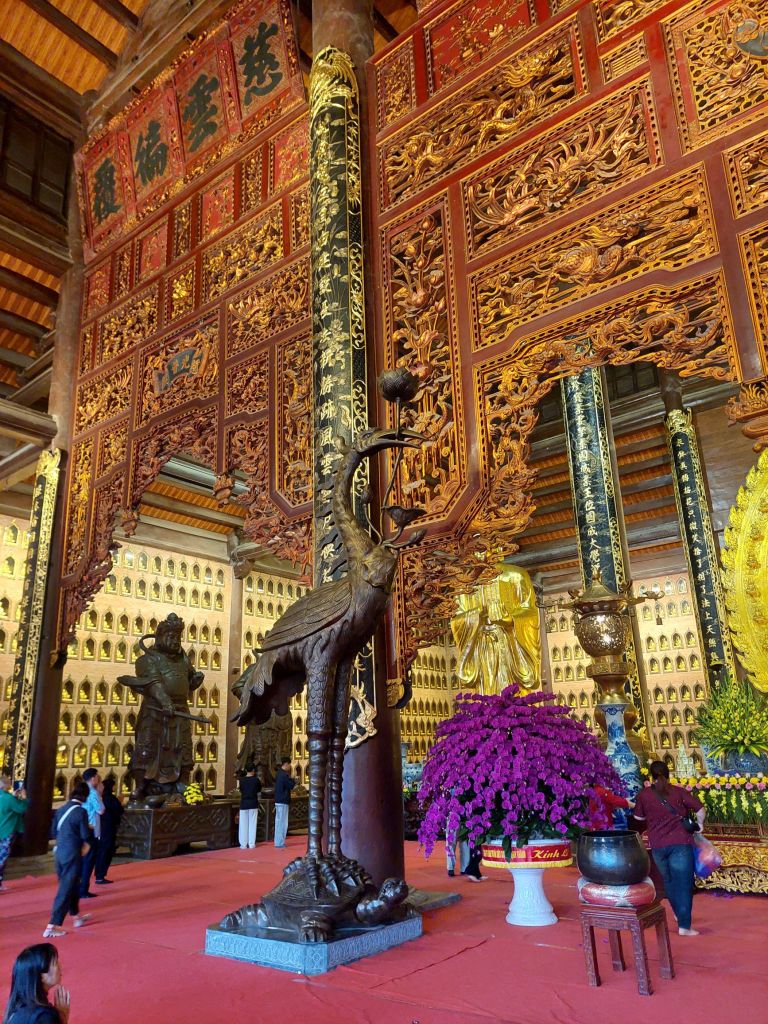
Today, even foreigners can pay to be a monk here, and you follow a strict schedule of duties and live in on-site accommodations.
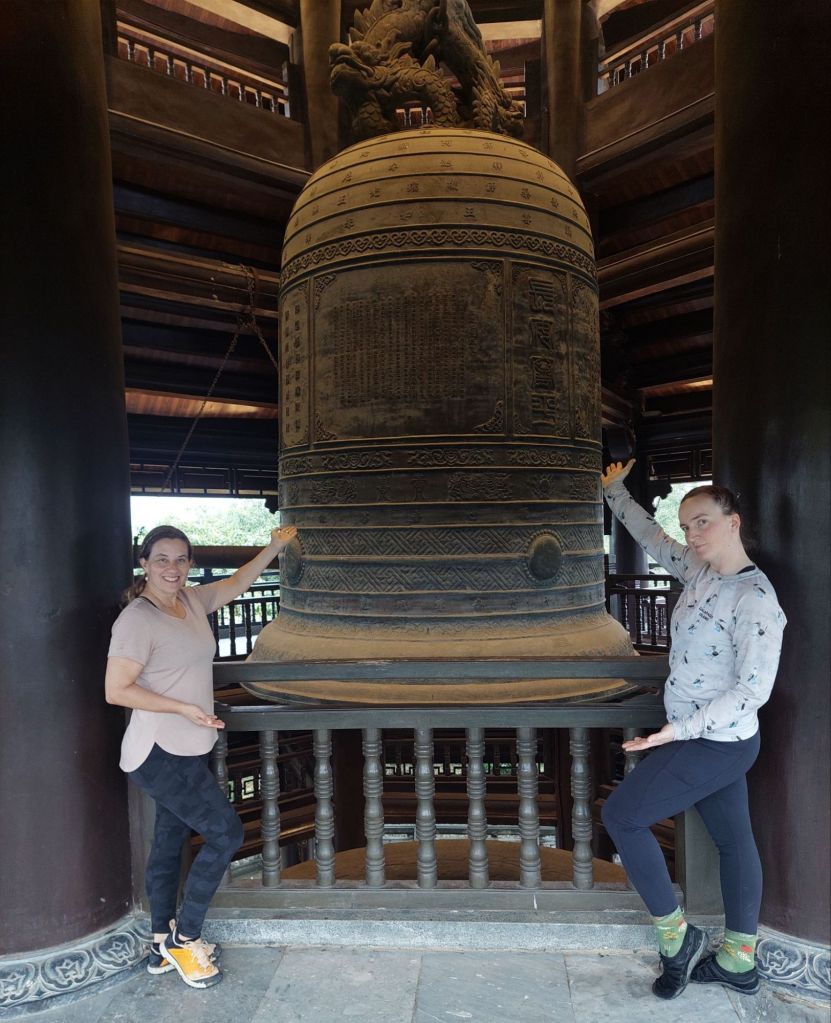
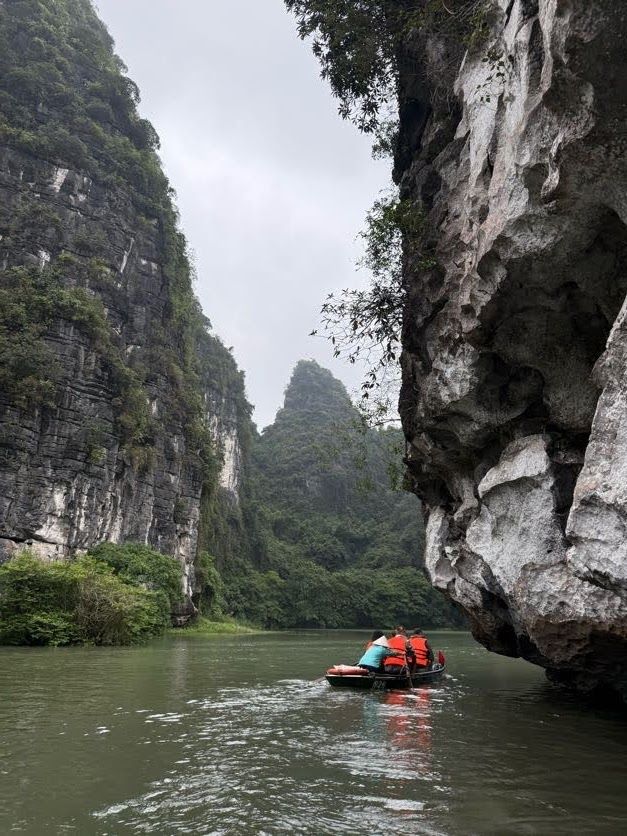
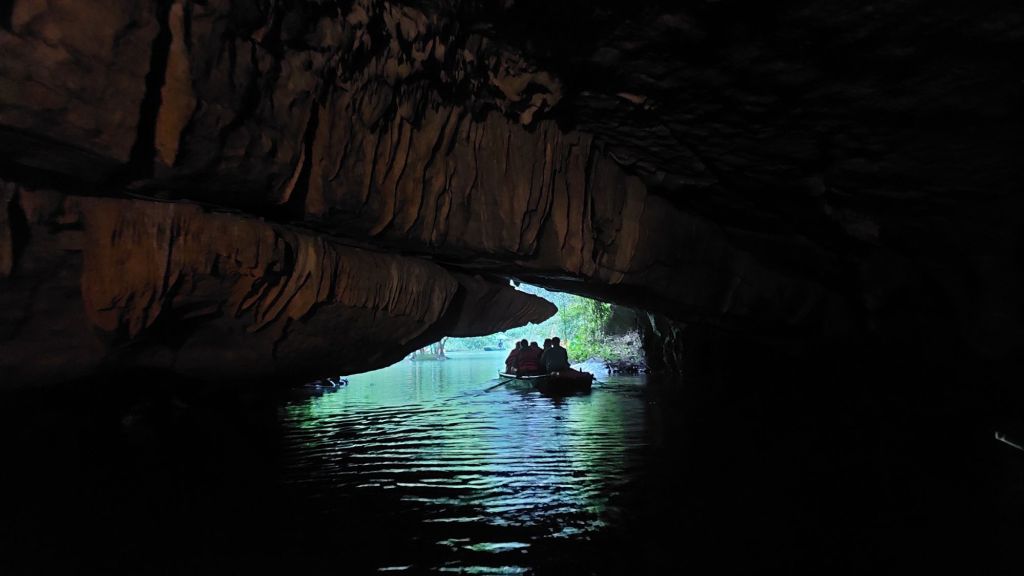
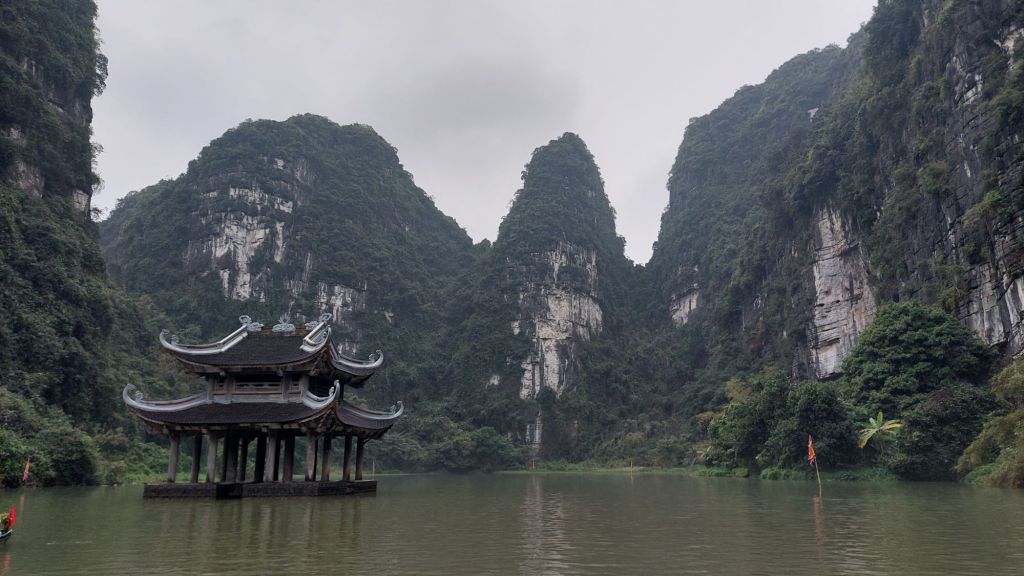
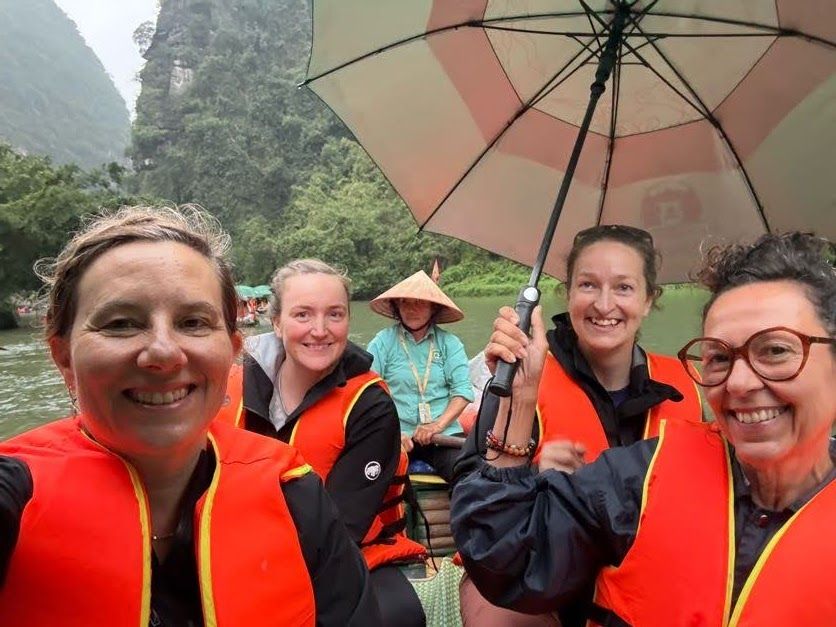
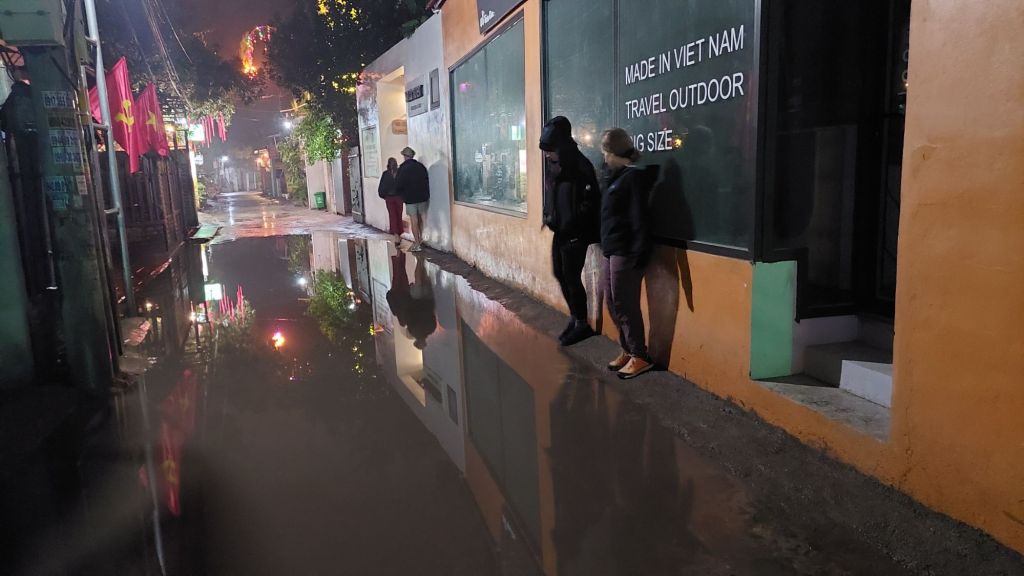
– Felicity (aided and abetted by Alice, with photos from Jeannie)
 BC by Cycle
Mountaintop to tabletop – thanks for sharing your “entertainment” with us!
LikeLiked by 1 person