Feb 9, 2024: Papamoa Beach (near Tauranga)
I’ve been waking up with no alarm, which is disconcertingly unlike me.
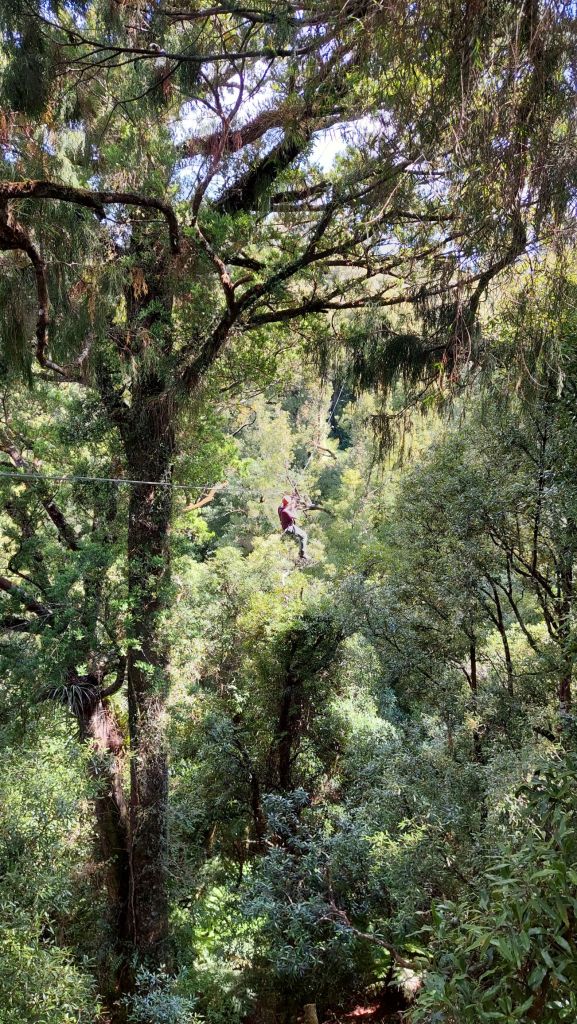
Or at least not by logging or development. The understory was taking a beating from rats eating the tree seeds, so they raised some money and started trapping.
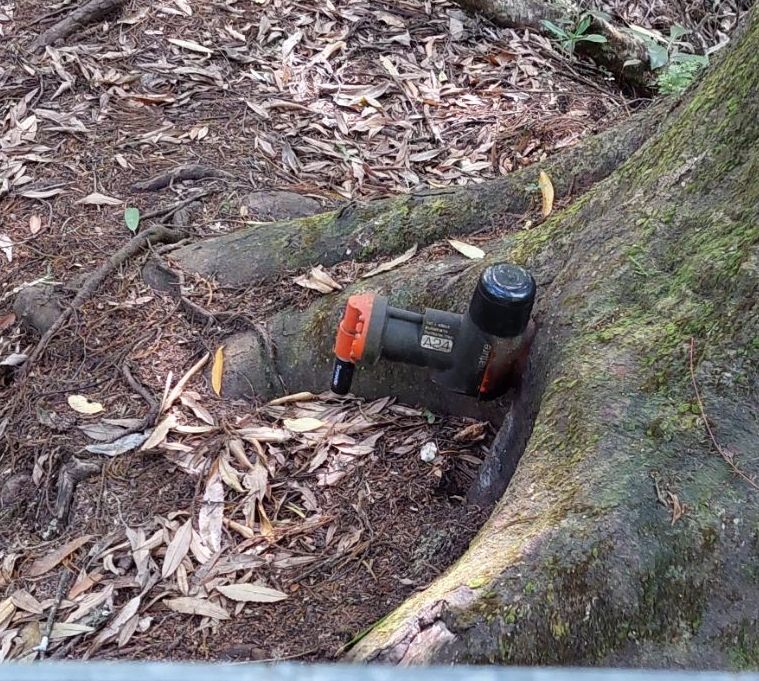
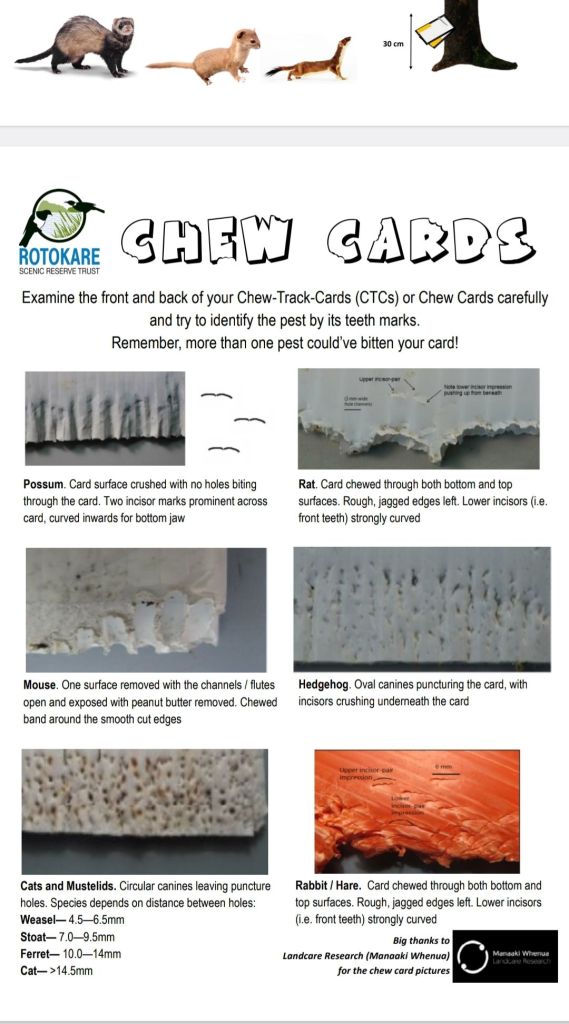
They also use chew cards (coroplast squares full of peanut butter) to see where pest numbers are at, and so they can target high pest areas with more traps, and set traps specific to the pest species:
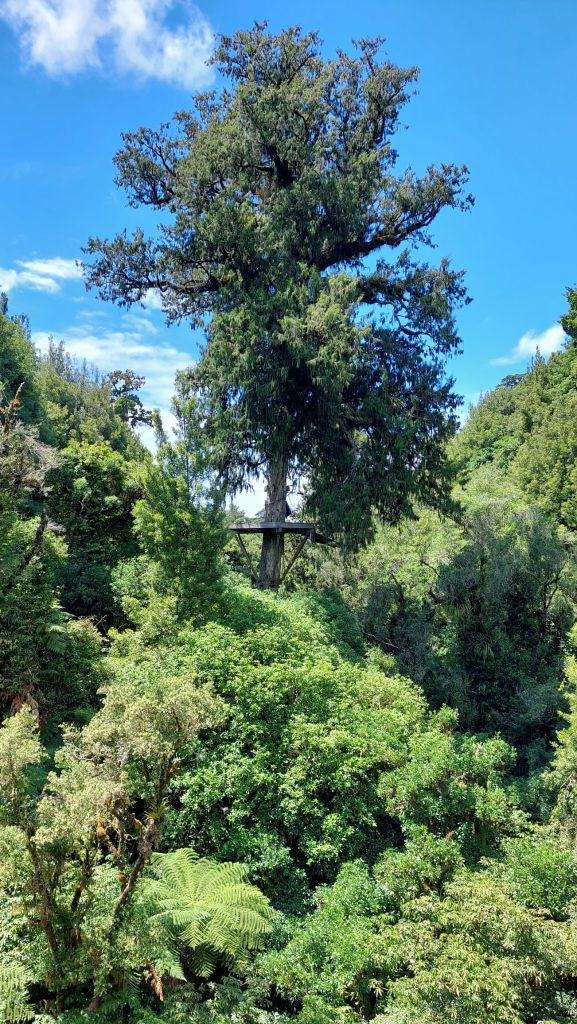
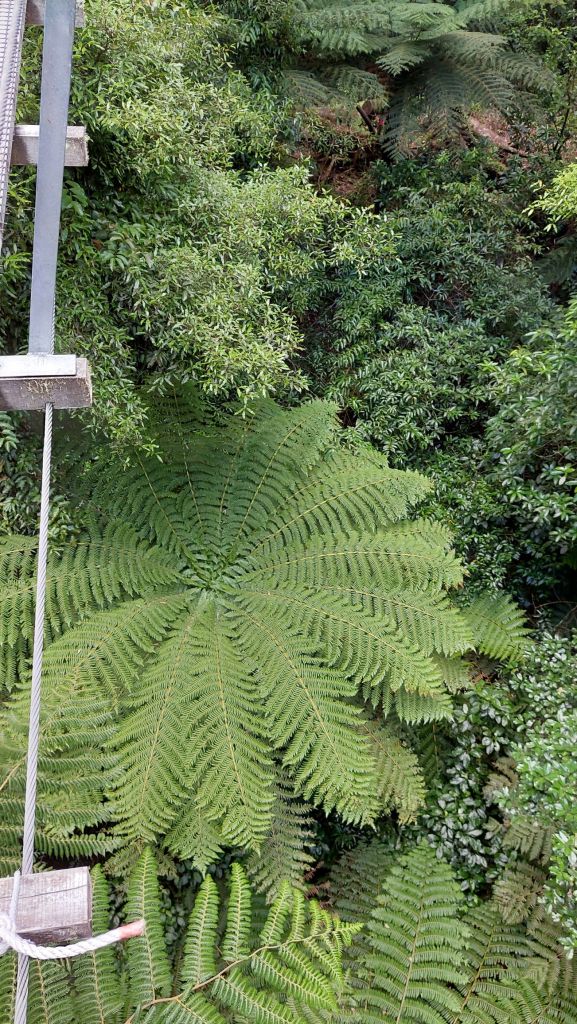
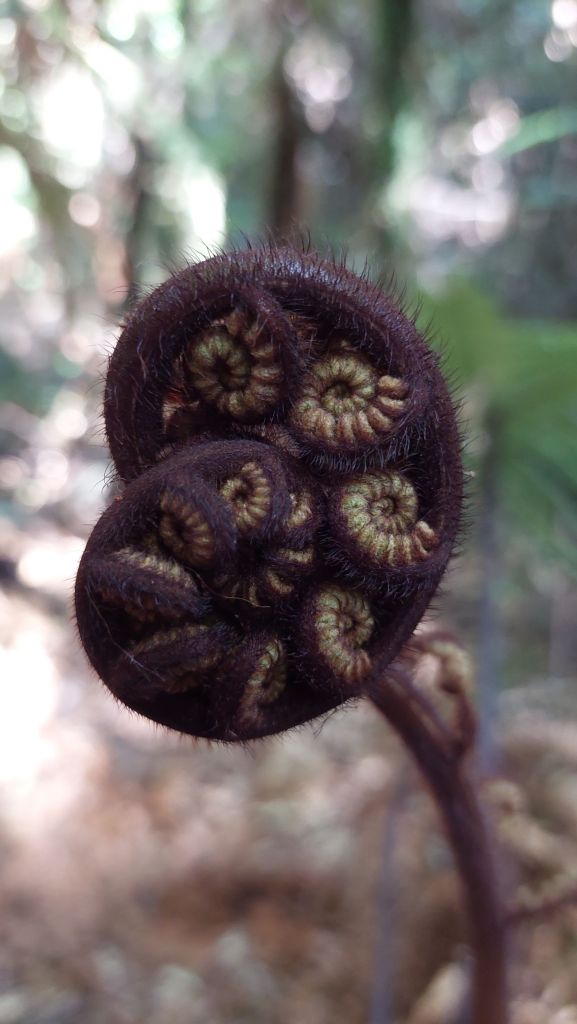
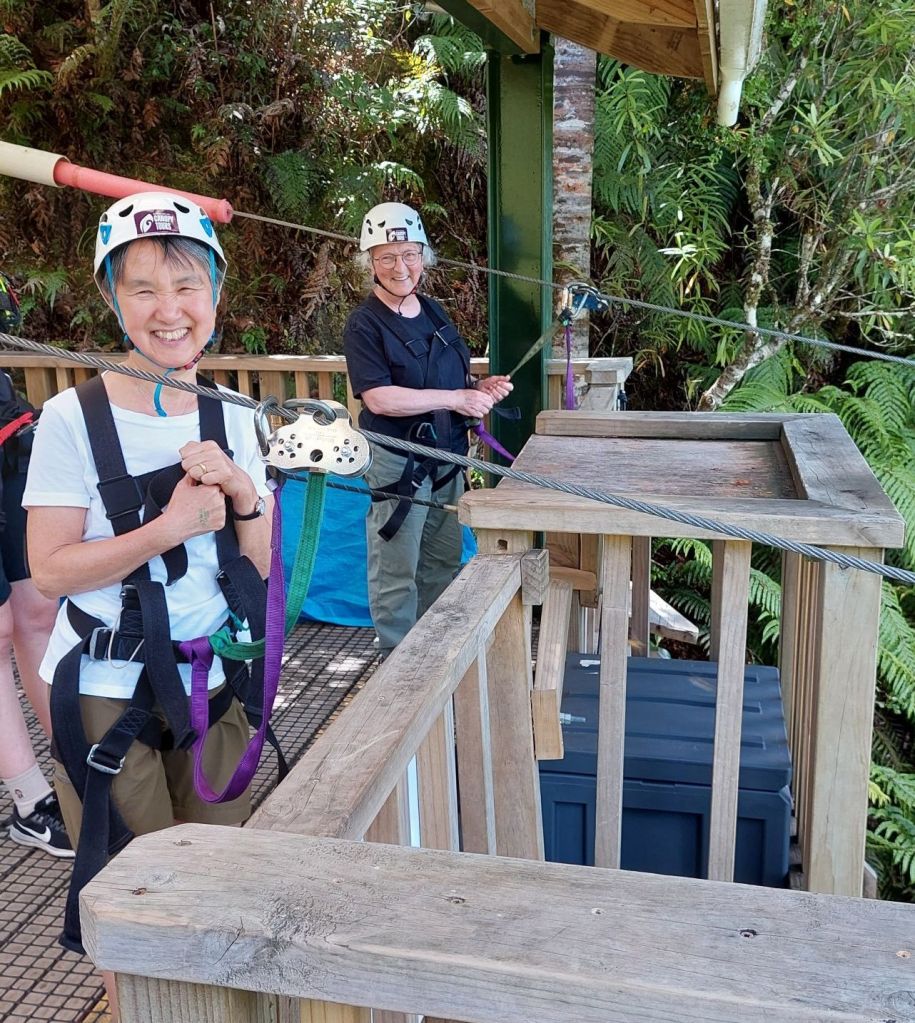
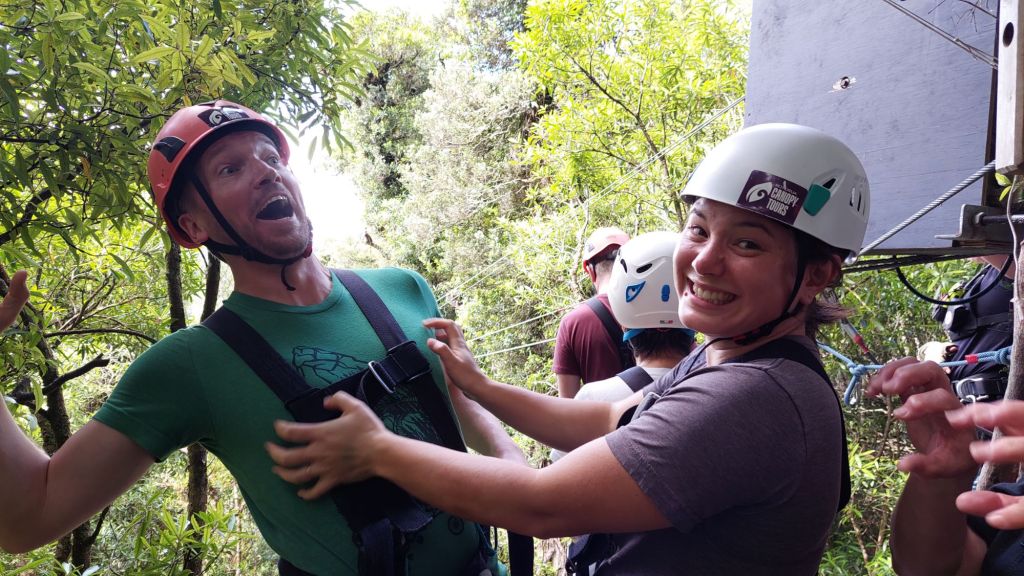
The ziplines were cool too – I’m lucky to see old and wild forests at home, but these are different.
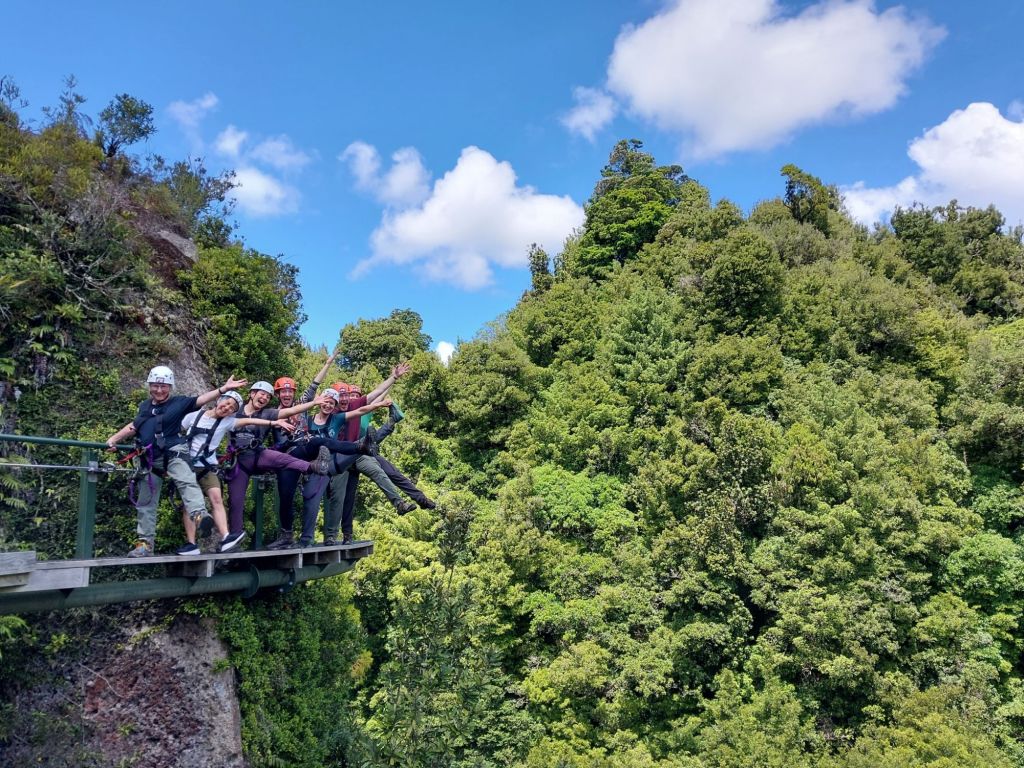
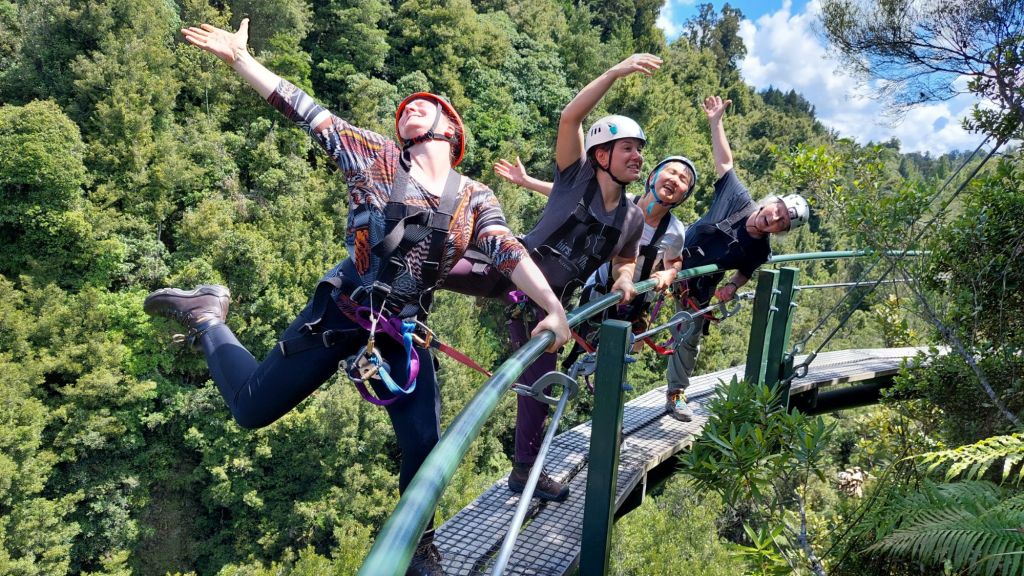
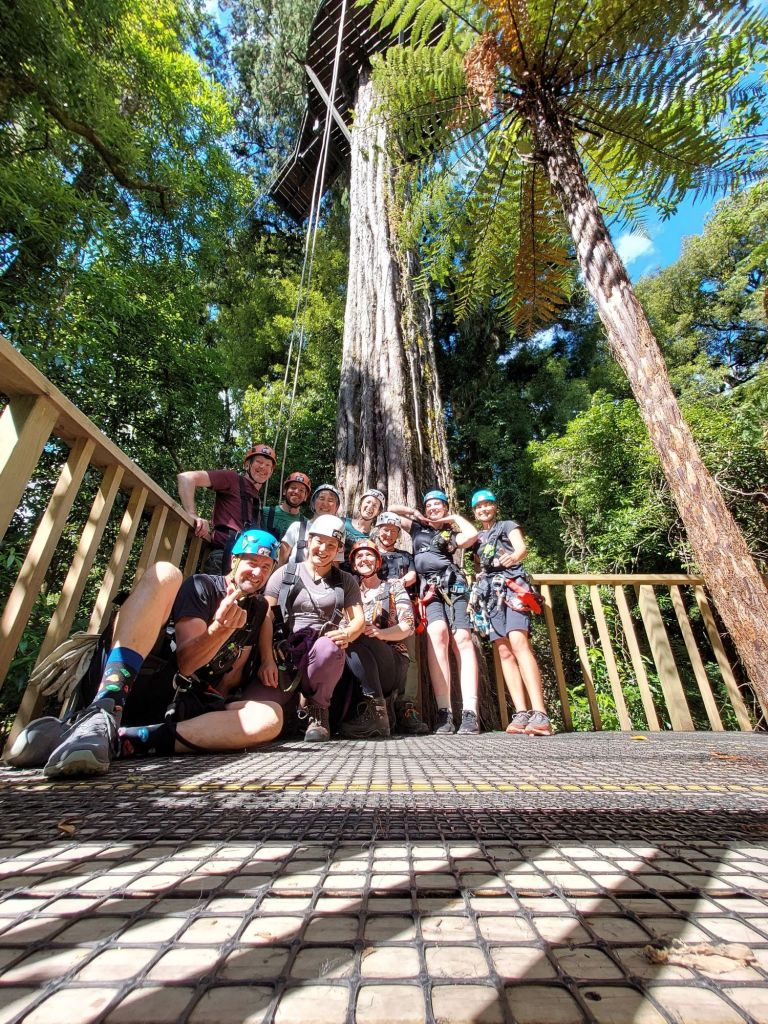
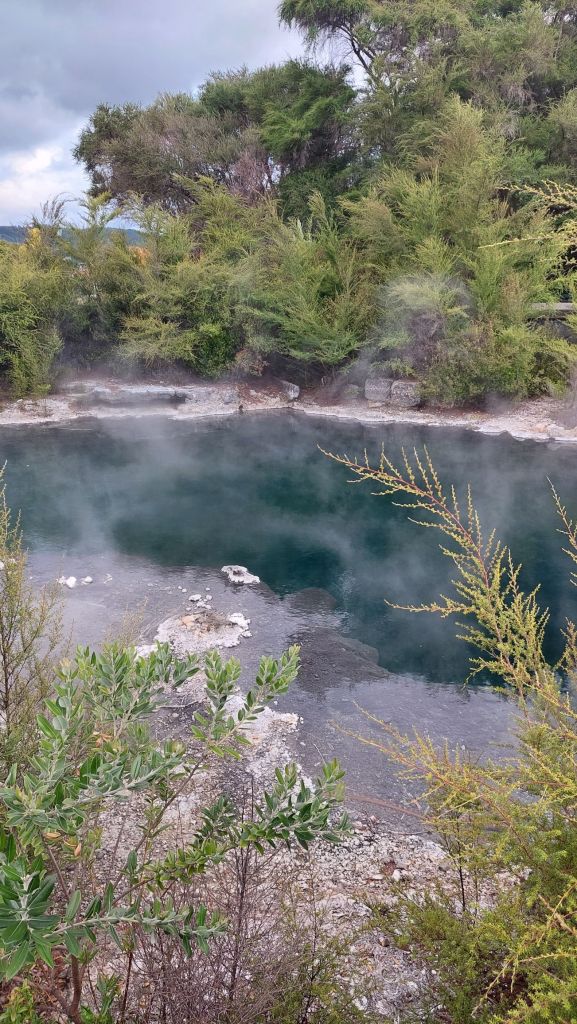
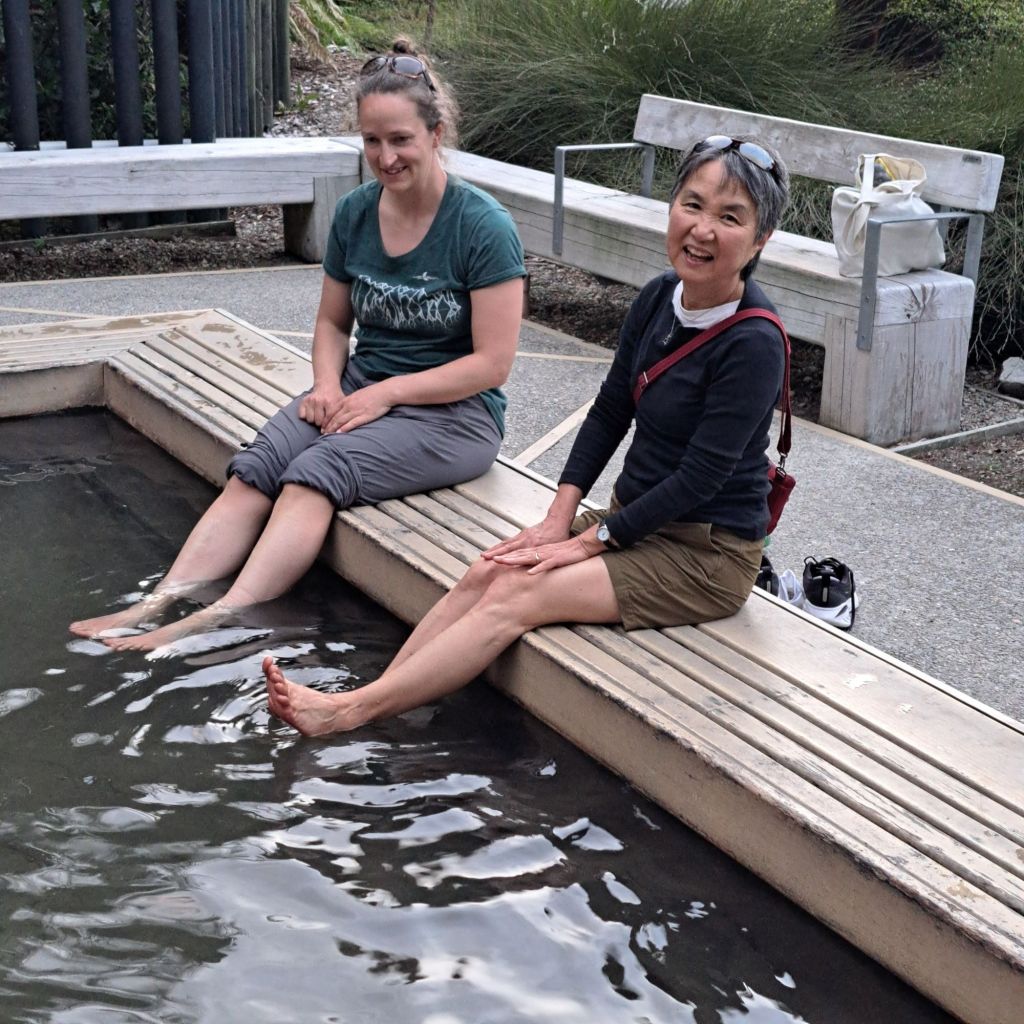
Having worked up an appetite, we had a tasty Mexican dinner out in Rotarua and then divvied up. I stayed with the group that explored on foot, and found some of the geothermal pools in the city park.
Fun facts about avocados:
You can grow them here, buuut it takes 10 years before one will bear fruit. If you’re going to do that, you’ll learn that avocado flowers are female on day one and male on day two (type ‘A’), and vice versa for type ‘B’. Although having both type trees isn’t strictly necessary, it improves pollination.
Avocados don’t ripen on the tree, and can stay on-tree for up to 18 months. Once picked, ethylene (a gaseous plant hormone) starts the ripening.
If you’re trying to make avocado oil with your ripe avos, peel and de-pit them first. Then, mash the bejeesus out of it while heating it to 45-50°C (apparently this is called malaxing – new word for me!). Then get out your high-speed decanting centrifuge to leave the pulp behind, and put the gleaned liquid into your other “polishing” centrifuge to separate the oil from the water. Use the pulp for mulching your garden. Use your avo oil to make me dinner!
Dinner involved no avocados – which I was surprised by – avocados are one of the foods that is noticeably cheaper here. At home, it’s not unusual to pay $2-3/ avocado, but here at the moment, you can pick them up for $0.69!
Alice
 BC by Cycle